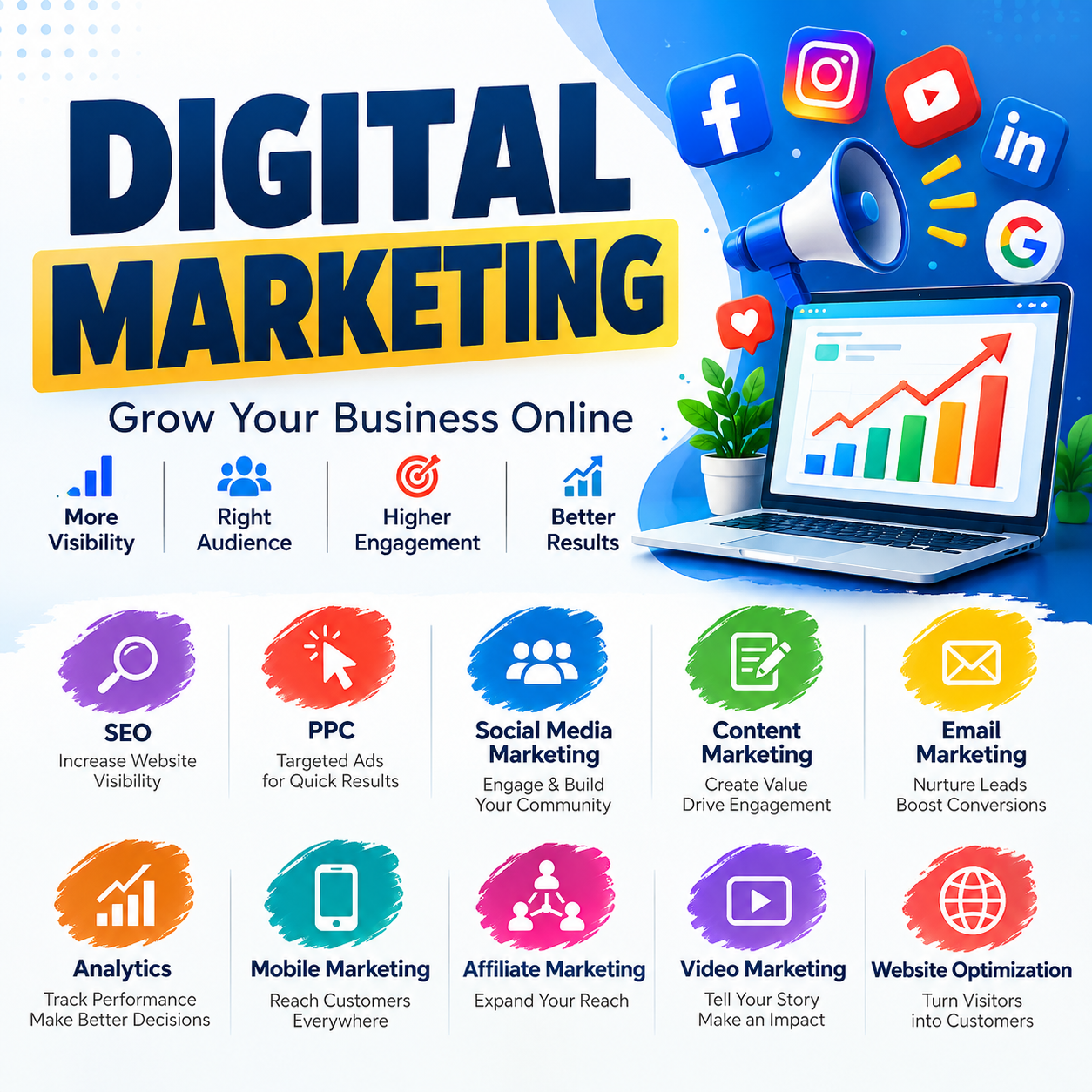
The Rise of Social Media Among Gen-Z
Social media has become an important part of everyday life, especially for Generation Z (Gen-Z). Born roughly between 1997 and 2012, Gen-Z has grown up alongside smartphones, the internet, and digital platforms. For many young people, social media is more than a way to communicate. It is a place to learn new things, express creativity, follow trends, build friendships, and discover career opportunities.
Platforms such as Instagram, YouTube, TikTok and Snapchat influence how young people communicate, shop, learn, and understand the world around them.
But social media culture has both positive and negative effects. While it provides opportunities for creativity and connection, it can also create pressure, distraction, and unrealistic expectations. Understanding this culture is essential for young people, parents, educators, and businesses.
Gen-Z is often considered a digitally connected generation because online communication and digital entertainment are part of everyday life. Social media makes it easy to share photos, videos, opinions, achievements, and personal experiences within seconds.
Short-form video content, memes, trending audio, and influencer posts have become major parts of online culture. A simple video can reach millions of viewers and introduce a new trend worldwide.
2. How Instagram Reels and Short Videos Influence Gen-Z
Short-form videos have become a popular way to consume digital content. Instagram Reels, YouTube Shorts, and TikTok videos allow users to watch entertaining or informative content in a short amount of time.
These videos influence Gen-Z in several ways:
- Entertainment: Comedy clips, memes, dance videos, and relatable situations provide quick entertainment.
- Learning: Creators share tips about studying, technology, fitness, cooking, and digital marketing.
- Fashion and lifestyle: Trends influence clothing choices, beauty routines, and personal style.
- Consumer behaviour: Product reviews, demonstrations, and creator recommendations can influence buying decisions.
- Creativity: Users can produce their own videos, experiment with editing, and develop storytelling skills.
However, continuously scrolling through videos can consume a significant amount of time. It is important to balance online entertainment with studies, work, physical activity, and offline relationships.
3. The Influence of Influencers on Gen-Z
Influencers play a major role in social media culture. They create content around fashion, technology, travel, food, education, fitness, and many other interests.
Gen-Z audiences may connect with influencers because their content can feel relatable, informal, and personal. Influencers often share daily routines, product experiences, challenges, and opinions.
For businesses, this creates opportunities to promote products through influencer marketing. A small brand, for example, might collaborate with a creator who has an engaged audience interested in skincare, clothing, or technology.
However, not every recommendation is unbiased. Some posts are paid promotions, and some creators may promote products without providing a complete picture. Young consumers should check reviews, compare alternatives, and look for clear sponsorship disclosures before making purchasing decisions.
4. The Positive Effects of Social Media on Gen-Z
Social media can offer several benefits when used thoughtfully.
Better communication: Young people can stay connected with friends, family, and communities across different locations.
Learning opportunities: Educational creators and online communities make it easier to discover new subjects and practical skills.
Career development: Platforms such as LinkedIn help students build professional networks, discover internships, and showcase their work.
Creativity and self-expression: Photography, video editing, writing, music, and design allow users to express their ideas.
Business opportunities: Young entrepreneurs can promote products, find customers, and build personal brands without needing a large advertising budget.
For instance, a student learning digital marketing can share campaign designs, write educational posts, and publish blog articles to demonstrate skills to potential employers.
5. The Negative Effects of Social Media on Gen-Z
Despite its benefits, social media can create challenges when its use becomes excessive or unhealthy.
Social comparison
People often share their best moments online, including vacations, achievements, expensive purchases, and celebrations. Comparing everyday life with these carefully selected highlights can make others feel unsuccessful or dissatisfied.
Fear of missing out (FOMO)
Seeing friends attend events or participate in trends may create the feeling of being left out. This can encourage people to check their phones repeatedly.
Distraction and reduced productivity
Frequent notifications and endless scrolling can interrupt studying, work, and sleep routines.
Online pressure
Some users feel pressure to receive likes, followers, comments, or approval from others. This can make online popularity seem more important than personal interests and real-world achievement
Cyberbullying and privacy risks
Negative comments, harassment, fake accounts, and the misuse of personal information can affect users’ safety and well-being.
Recognising these risks helps young people develop healthier digital habits rather than giving up social media completely.https://deshrajdabre.com/